


Beat Tiles 3D: Music Game
4.1580.00 Reviews
App Specs
- Version
- 2.09.01
- Updated On
- License
- Free
- Downloads
- 10,000,000+
- Developer
- AppRover
- Categories
- Music
- Platform
- Android, iOS
Screenshots

 Analysis by AppCompare
I judge a music game less by how impressive its first few seconds look and more by whether its rhythm feels readable once I’ve played for a while. Beat Tiles 3D: Music Game has an immediate, easy-to-understand appeal: follow the music, guide the ball across the tiles, and try again when your timing slips. In my experience, that makes it a handy choice for a short break, though it suits players who enjoy repetition and quick reactions better than anyone looking for a deep music-making tool.
A useful way to approach a first session
I get the most from this kind of play by treating the opening attempts as practice rather than a test of reflexes. I listen for the pulse, watch how the tiles mark the route, and try to make each input deliberate. When a run ends, I focus on the moment my timing went off instead of tapping through another attempt immediately. That small pause makes retries more useful: it helps me notice whether I lost the beat, reacted late, or simply got distracted by the changing visuals.
This approach also helps answer a common practical question: is it easy to pick up if you have not played rhythm games before? The basic aim is straightforward, so a newcomer can understand what to do without learning complicated controls first. The harder part is keeping a steady response as the pace and patterns become more demanding. I would start with a few focused attempts, then stop when concentration fades; tired, rushed tapping tends to turn a satisfying challenge into frustration.
Where it fits into an ordinary day
For me, the natural use case is a few minutes between other tasks: a short wait, a quiet break, or a commute when I can comfortably look at the screen and pay attention to the sound. The simple premise makes it easier to begin than a game that asks me to manage a long story or a complicated set of systems. I would not choose it while walking, crossing a street, or doing anything that needs my attention elsewhere. The combination of visual motion and timing deserves a proper moment of focus.
Sound matters to the experience, but headphones are not essential for every situation. If I am somewhere noisy, I would rather play when I can hear the beat clearly than rely on guessing from the visuals alone. In a shared or quiet space, I would keep the volume considerate or skip a session. This is a rhythm game, so the soundtrack is part of the feedback, not just decoration; playing without being able to follow it can make the timing feel less natural.
How it compares with other music games
Compared with music games built around playing instruments, matching notes on a fixed track, or constructing a playlist, this one puts the emphasis on guiding a moving ball across a tile path. That makes its appeal immediate and its focus narrow. I would pick it when I want a visual, reflex-led challenge, not when I want to practise an instrument, discover a particular artist, or control the songs being played. The 3D presentation gives the route a sense of movement, but players who prefer calm, stationary note charts may find that motion more distracting than exciting.
That trade-off is worth keeping in mind before downloading. A broad range of music styles can make the game feel varied, but a genre list alone does not guarantee that every player will like every track. I would sample the available play experience before treating it as a replacement for a music library or a specialist rhythm title. Its strength is the link between a song’s pulse and a quick series of decisions; it is not the same kind of experience as listening passively or practising a song in detail.
Worth Reading Before You Choose

EA SPORTS FC Mobile 26 Is a Bigger Football Game, but It Takes Time

Flipboard Shows What News Apps Must Do Beyond the Feed

Switching to Android Auto Means Rethinking Your Driving Routine

Google Calendar Makes a Crowded Week Easier to Manage

Ludo King Makes the Most of the Minutes Between Plans

Baby Panda World Brings Quick Play to Modern Phones, but Its Game Library Feels Busy
The Rhythm of the Game
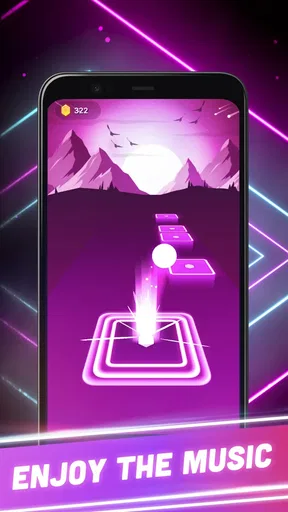
The first thing that hit me when I launched Beat Tiles 3D: Music Game was the vibrant splash of colors and the pulsating beats that sync perfectly with every move. The interface is sleek and easy to navigate, which is a relief for someone like me who values a seamless gaming experience.
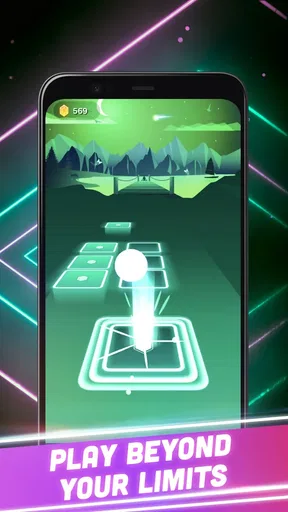
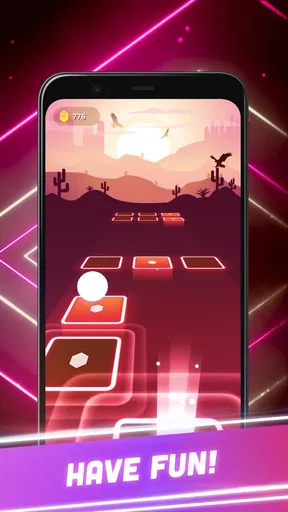
The core gameplay is as straightforward as it is addictive. You control a ball that moves along a path made of tiles. Your job? Keep the ball hopping in time with the music. Sounds simple enough, right? Well, it is, until the speed picks up and the patterns become more complex. But that's the beauty of it – it keeps you on your toes and makes you want to hit "retry" every time you miss a beat.
Visuals and Audio: A Perfect Harmony
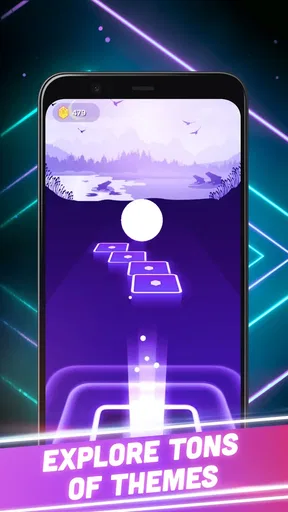
What sets Beat Tiles 3D apart from other rhythm games is its stunning 3D visuals. The tiles light up in sync with the music, creating a dynamic and immersive experience. It's like getting lost in a musical wonderland where each level offers a new visual treat. The graphics are not just eye-candy; they enhance the gameplay by making it easier to anticipate the next move.
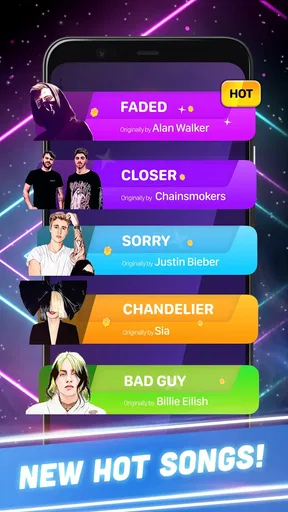
The other half of the magic is, of course, the music. The game features a wide variety of tracks across different genres. Whether you’re into pop, rock, or electronic music, there’s something for every musical taste. The audio quality is top-notch, and the way the tracks are integrated into the gameplay is nothing short of brilliant.
Challenges and Progression
One of my favorite aspects of the game is its progression system. As you advance, the levels get significantly tougher, demanding quicker reflexes and a sharper ear for the beat. It's a satisfying curve that keeps players engaged. Plus, there are daily challenges and events that offer rewards, which adds an extra layer of excitement.
And for those who love a good competition, the leaderboard feature is a fantastic addition. It’s always fun to see how you rank against players worldwide, and it fuels that inner drive to improve and climb up the ranks.
How experienced players can keep attempts focused
Once the basic timing feels familiar, I find it useful to give each session one clear purpose. I might concentrate on keeping a steady rhythm, or on staying visually ahead of the ball’s next landing, rather than trying to improve everything at once. That makes a failed attempt easier to interpret. If I change my tapping style, rush more, and play while distracted all at the same time, I cannot tell which choice actually helped.
I also avoid treating a long streak of retries as a shortcut to mastery. Repetition is useful only while I am still paying attention. After a few frustrating misses, I take a short break and return with a fresh sense of timing. This is a practical habit, not a special in-game feature, and it matters especially in a game where a small lapse can interrupt a run. If I want a relaxed session, I choose a familiar-feeling challenge; if I want to test myself, I accept that a demanding pattern may take several attempts.
Settings and small choices that affect play
Before settling into a longer session, I check the device’s sound level and make sure I can hear the music comfortably. I also choose a place where screen glare and interruptions are less likely to pull my attention away. These are simple adjustments, but in a beat-led game they can make the difference between reacting to the rhythm and guessing at the next move. I avoid turning the volume up so high that it becomes tiring; clear, comfortable listening is more useful than sheer loudness.
Because the game is free to play and offers in-app purchases, I would decide in advance whether I am happy to spend anything. The listed purchase range runs from $0.99 to $39.99 per item, so it is sensible to check each purchase prompt before confirming it, especially if a child uses the device. I would begin by playing without buying anything and only consider a purchase if I understand what it provides and genuinely want it. That keeps the decision deliberate rather than a reaction to a difficult level or a moment of impatience.
Who will enjoy it, and who may want another option
I can see this working well for someone who likes quick, score-oriented challenges and enjoys matching actions to music without needing a complicated setup. Its ball-and-tile format gives the rhythm a physical-looking path to follow, which may appeal to players who find abstract note lanes less engaging. The game is also an easy one to try in short bursts; a player does not need to commit to a lengthy story before reaching the central activity.
I would steer away from it if the main goal is to learn an instrument, play songs with precise note charts, or curate a personal soundtrack. A conventional rhythm title with a fixed lane layout may be a better fit for players who want to study note patterns without a moving 3D route. Someone who dislikes retry-based challenges may also find the rising difficulty more irritating than motivating. The right choice depends on whether the visual movement adds energy for you or competes with the beat you are trying to follow.
What to expect before installing
Developed by AppRover, this free music game has an average rating of 4.1 from around 37,000 ratings and has passed 10 million installs. It is rated Teen, and its current version is 2.09.01, with Android 5.1 as the minimum requirement. Those details make it easy to check whether it suits your device and household, but they do not replace the more personal question: do you enjoy repeating a short timing challenge until your reactions improve?
For a first run, I would play somewhere comfortable, keep the sound at a sensible level, and focus on the beat rather than trying to chase a perfect result immediately. If a track or pattern does not click, I would try another session instead of assuming every attempt will feel equally natural. That is also my answer to whether it works well for casual play: yes, when I have a few uninterrupted minutes and want an active distraction; less so when I need a quiet background game or have no attention to spare.
User Experience and Accessibility
Another strong point of Beat Tiles 3D is how accessible it is. The game does a fabulous job of easing new players in while still offering depth for veterans of rhythm games. The controls are intuitive, and the tutorial at the beginning is concise yet informative.
For those concerned about in-app purchases, while the game does offer them, they’re not intrusive. You can enjoy the game without spending a dime, which is always a plus in my book.
Final Beat
All in all, Beat Tiles 3D: Music Game is a delightful blend of rhythm and strategy wrapped in a visually stunning package. It’s perfect for quick gaming sessions or for those marathon runs when you just can’t put it down. With its engaging gameplay, stunning visuals, and diverse music selection, it’s no wonder this game is quickly becoming a favorite among rhythm game enthusiasts.
So, if you’re looking for a game to test your reflexes and rhythm skills, I’d highly recommend giving Beat Tiles 3D: Music Game a try. Just be warned – once you start, it’s hard to stop!
Pros
- Engaging 3D graphics enhance gameplay.
- Wide variety of music tracks to enjoy.
- Responsive controls for smooth play.
- Regular updates with new features.
- Offline mode available for on-the-go play.
Cons
- Ads can be intrusive during gameplay.
- Limited customization options.
- Some tracks require in-app purchases.
- Occasional lag on older devices.
- Tutorials can be overly simplistic.
FAQs for Beat Tiles 3D: Music Game
What is Beat Tiles 3D: Music Game about?
Beat Tiles 3D: Music Game is a rhythm-based game where players tap on tiles in sync with the music. It offers a vibrant 3D experience combined with a variety of popular songs. Players aim to hit the tiles accurately to score points and unlock new levels and tracks.
Is Beat Tiles 3D suitable for all ages?
Yes, Beat Tiles 3D is designed to be family-friendly and suitable for all ages. Its intuitive controls and engaging music tracks make it easy for both kids and adults to enjoy. However, parental guidance is recommended for younger children due to in-app purchases.
Does Beat Tiles 3D require an internet connection?
Beat Tiles 3D can be played offline, which is great for users who want to enjoy the game without an internet connection. However, an internet connection is required for downloading additional music tracks and accessing certain features like leaderboards and updates.
Are there in-app purchases in Beat Tiles 3D?
Yes, Beat Tiles 3D offers in-app purchases. Players can buy new music tracks, remove ads, and purchase power-ups to enhance their gameplay experience. While purchases can enhance the game, they are optional, and players can enjoy the core features for free.
What are the main features of Beat Tiles 3D?
Beat Tiles 3D features a wide range of popular music tracks across different genres, vibrant 3D graphics, and simple yet challenging gameplay. The game also includes multiple levels, customizable themes, and competitive leaderboards to challenge friends and other players.


